An examination of the relationship between body awareness, dream themes, and somatization in adult women
Dreaming
- Body awareness
A scientifically grounded physiotherapy approach in musculoskeletal health, ergonomics and employee health; a way of working in which research and practice inform each other.
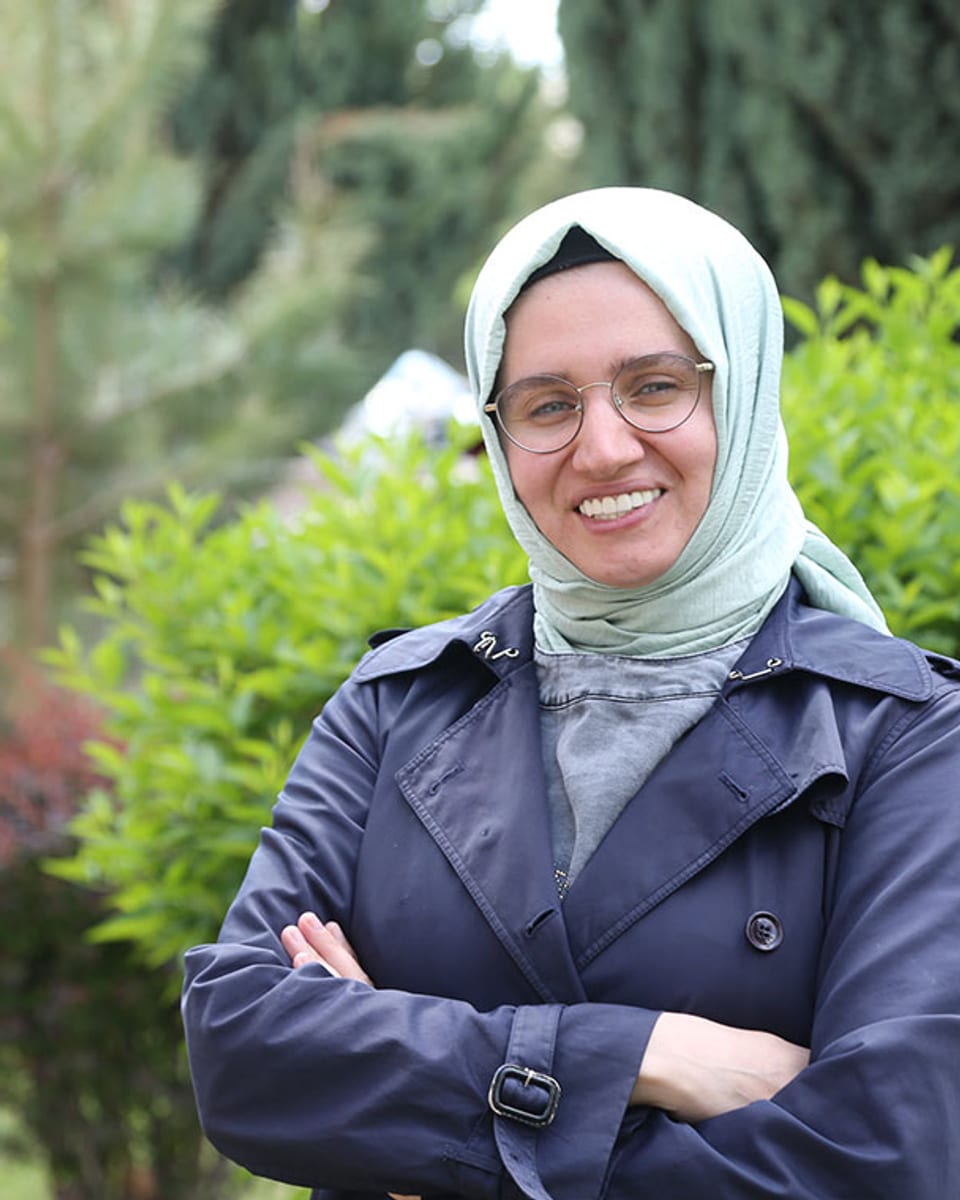
Physiotherapy · Musculoskeletal Health · Ergonomics and Employee Health
This site was prepared to present the professional perspective, areas of work and academic output of Physiotherapist Dr. Çağlayan Pınar Öztürk together. The shared starting point of the content here is that physiotherapy is not an instruction list telling a person what they must do, but an information and assessment process that helps them make better decisions about their own body and daily loads.
Evidence-based thinking sits at the centre of the professional approach. That does not mean every question has a ready answer in the literature; it means current scientific knowledge, the person’s own history and clinical reasoning are considered together. Stating clearly what is unknown, alongside what is known, is an integral part of this approach.
The work proceeds in three areas. The first is individual musculoskeletal health: assessment, movement and exercise planning, and daily-life adjustments in the neck, spine, low back, shoulder and upper extremity. The second is corporate ergonomics and employee health: assessing workstations, addressing ergonomic risks, organising break and work patterns, and employee training. The third is academic work: following, producing and carrying research in these fields into practice.
These three areas are not independent of one another. A concrete problem encountered in a work environment often becomes a research question; a finding in the literature changes the questions asked in an individual assessment. The health-guide articles and the academic section on the site are linked through the same topic headings so that this cycle is also visible to the reader.
Recommendations are formed by considering current scientific knowledge, professional consensus and the person’s own history together. Where the evidence on a topic is limited, this is stated clearly; areas that do not carry a claim of certainty are conveyed as they are.
A person-specific picture is taken as the basis, rather than ready-made protocols. Because the same complaint can be related to different factors in different people, the process begins each time with a detailed assessment.
The measure of success is not an abstract improvement, but whether the person can do the things they want to do. Goals are defined through concrete areas such as the working day, sport, home life and movement habits.
The person’s understanding of the process is a precondition, not merely a part of it. What is done and why is explained; the aim is for the person, over time, to be able to manage their own loading.
Plans that can settle into daily routine and be progressed over time are preferred over short, intensive adjustments. A plan that cannot be put into practice does not produce results, however technically correct it may be.
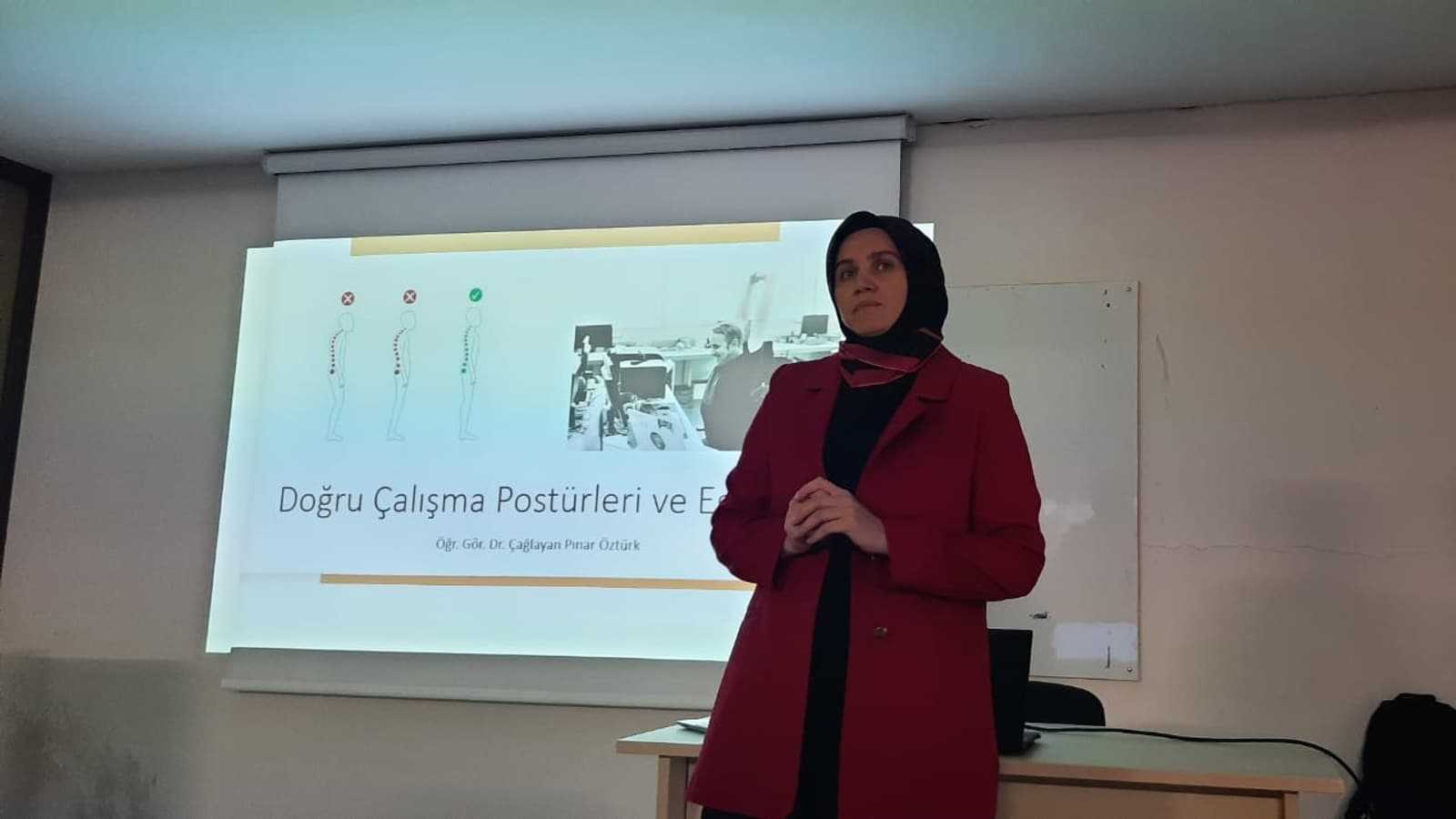
Academic work is not an ornament of practice; it is its direct source. What determines which questions will be asked during an assessment, which measurement is meaningful and how strong a grounding a recommendation has is the scientific body of knowledge in that field. For that reason, following the current literature is treated as a continuous part of professional practice.
The relationship is not one-way either. A problem encountered repeatedly in a work environment, a pattern that stands out in individual assessments, or a situation in which existing recommendations fall short becomes the starting point for research questions. Questions that arise from practice keep research connected to everyday life.
The same principle is applied at the content level on this site. Health-guide articles, individual areas of work and the academic section are linked through a shared topic-tag system, so that someone reading a topic can also reach the scientific work under the same heading. The aim is not only to present a conclusion to the reader, but also to make visible the ground on which that conclusion rests.
Scientific honesty also includes saying what is not known. Situations in which the evidence is limited, studies contradict one another, or an approach is not suitable for everyone are stated clearly. Offering a realistic frame rather than a promise creates a more trustworthy foundation in the long term.
The structure below is ready. No unverified degree, institution, post, date or certificate is published.
Dreaming
International Journal of Occupational Safety and Ergonomics
Ergonomi
Individual health questions and workplace ergonomics requests are handled separately.