Evaluation of online transtheoretical model-based ergonomics education for office workers
Work: A Journal of Prevention, Assessment & Rehabilitation
Topics where clinical practice and scientific work meet, and the research questions in those topics.
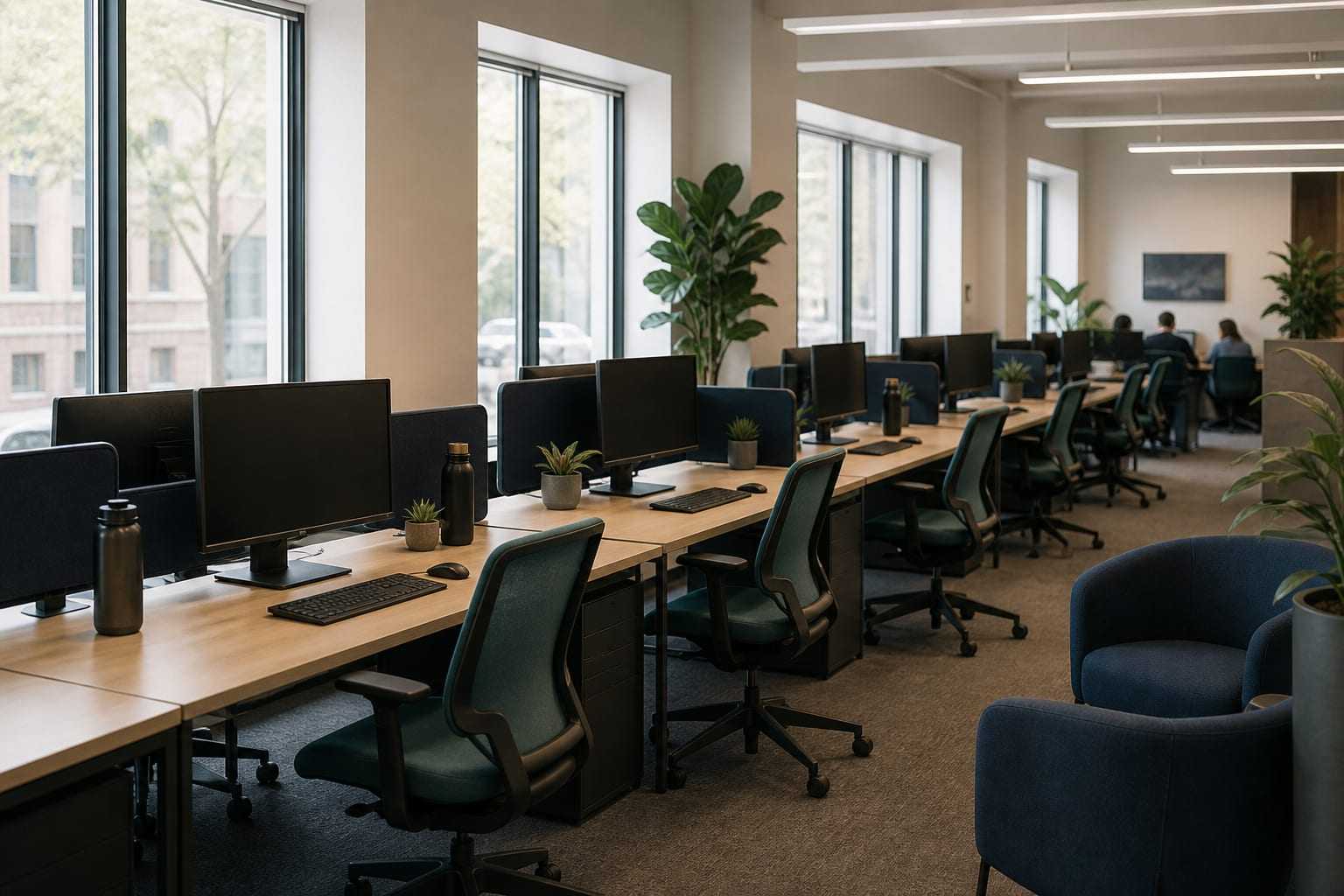
The effect of long working hours spent at a desk on the musculoskeletal system, and how that effect may be reduced by arranging the work environment, sit at the centre of this area. Studies address both the physical layout of the workstation and the employee’s sitting, position-change and break-taking behaviour during the day. A randomised controlled study showed that online ergonomics training adapted to stages of behaviour change improved working posture and the level of ergonomic risk.
Work: A Journal of Prevention, Assessment & Rehabilitation
International Journal of Occupational Safety and Ergonomics
This area examines the relationship between the function of the neck, back and low-back region and the pain and disability seen in these regions. Studies emphasise that assessment should not remain limited to the region where the complaint appears, and that neighbouring regions should also be assessed: for example, deep cervical flexor muscle strength and cervical muscle endurance have been shown to be reduced, compared with healthy controls, in individuals diagnosed with lateral epicondylitis. Similarly, in young people with intensive smartphone use, deep neck extensor muscle endurance has been considered together with pain, disability and sleep quality.

Ergonomi
Turkiye Klinikleri Journal of Health Sciences
This area is concerned less with the effect of exercise than with why people start exercise, why they continue it, or why they stop. Behaviour-science concepts such as stages of change in exercise behaviour, decisional balance and self-efficacy are addressed in a form that can be carried into physiotherapy practice. Cross-sectional studies have assessed young people’s stage of change in exercise behaviour and examined the relationship between personality traits and exercise tendency.

Unika Sağlık Bilimleri Dergisi
6th International Young Researchers Student Congress
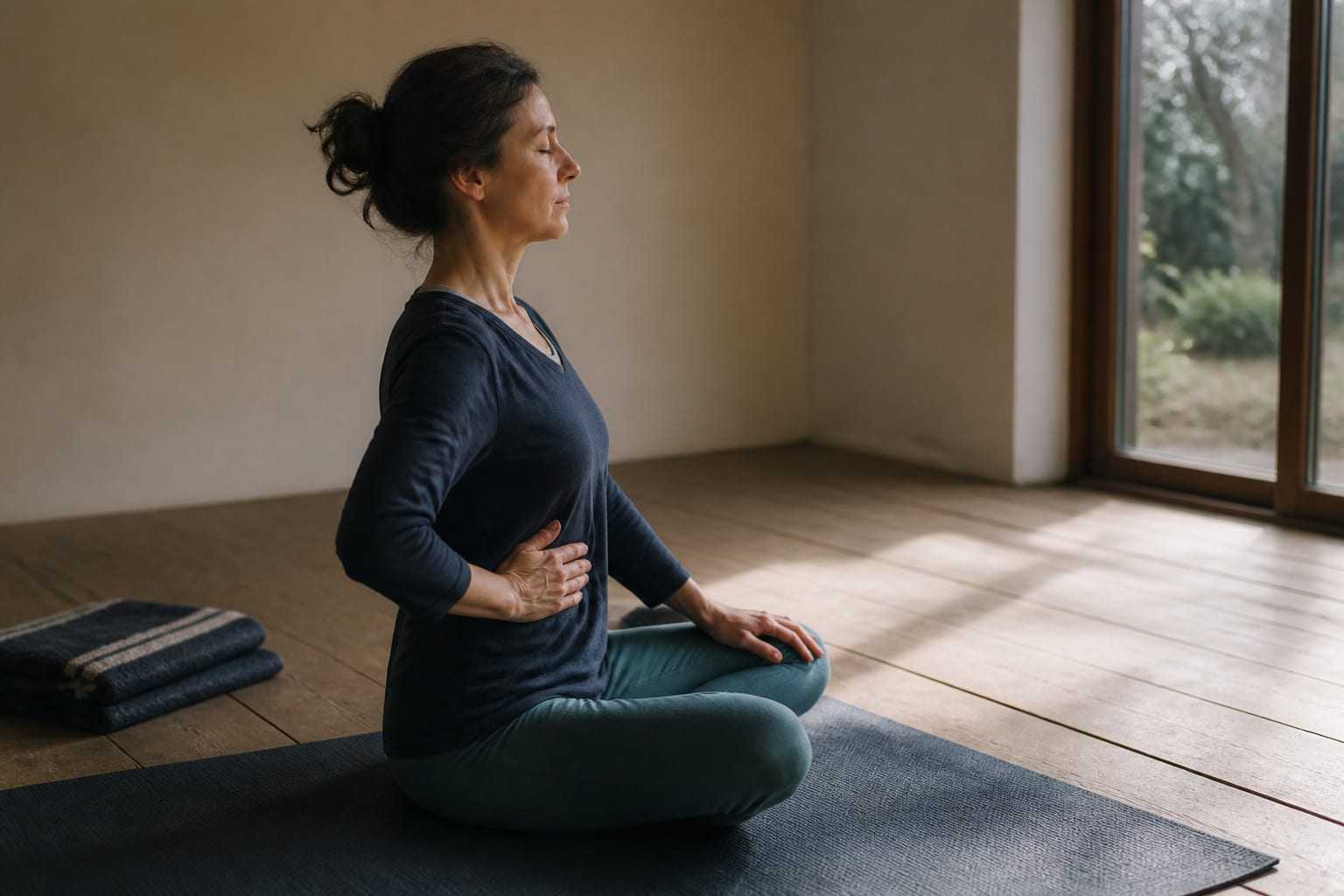
This area examines a person’s awareness of their own body, the way they interpret bodily sensations, and the relationship between emotional state and body experience. The aim is to understand pain not only as a problem in the tissue, but as part of the relationship the person has with their body. Published studies have addressed the relationship between body awareness and emotional state, and the link between body awareness and somatisation in adult women.
Ergonomi
Turkiye Klinikleri Journal of Health Sciences
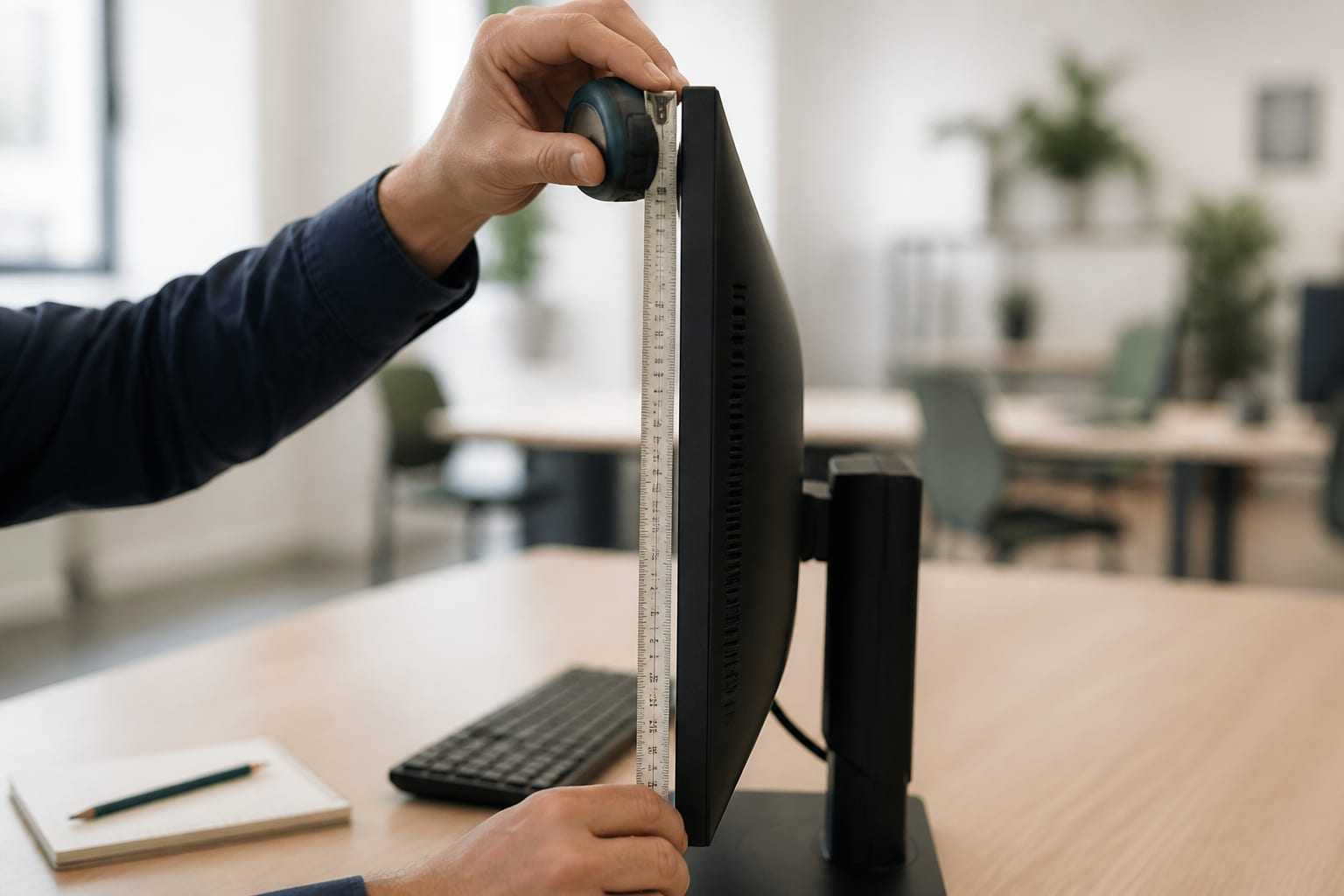
Behind every decision made in physiotherapy there is a measurement; this area takes those measurements themselves as its subject. How strength, endurance, posture and function measurements are made, which tools can be used in which setting, and how the data obtained are carried into clinical reasoning are examined. Studies have addressed methods such as muscle-strength measurement with pressure biofeedback, endurance tests, the hand dynamometer and the use of a mobile application in posture assessment.
Turkiye Klinikleri Journal of Health Sciences
Süleyman Demirel Üniversitesi Sağlık Bilimleri Dergisi
People increasingly look for answers to questions about their pain and posture in digital sources; this area examines the quality of those answers. Responses given by generative artificial-intelligence tools to questions on office ergonomics and spine health have been examined with expert assessment and readability criteria; the conclusion was that the answers were generally found to be adequate, yet cannot take the place of person-specific assessment and the clinical decision-making process. The area also covers a bibliometric examination of physiotherapy literature originating from Türkiye.

International Journal of Occupational Safety and Ergonomics
Work: A Journal of Prevention, Assessment & Rehabilitation
Factors that contribute to neck pain, what a physiotherapy assessment covers, and practical self-management principles for daily life.
Office ergonomics is not a search for one correct posture. We explain, step by step, how to fit the worker, the work and the workstation together.
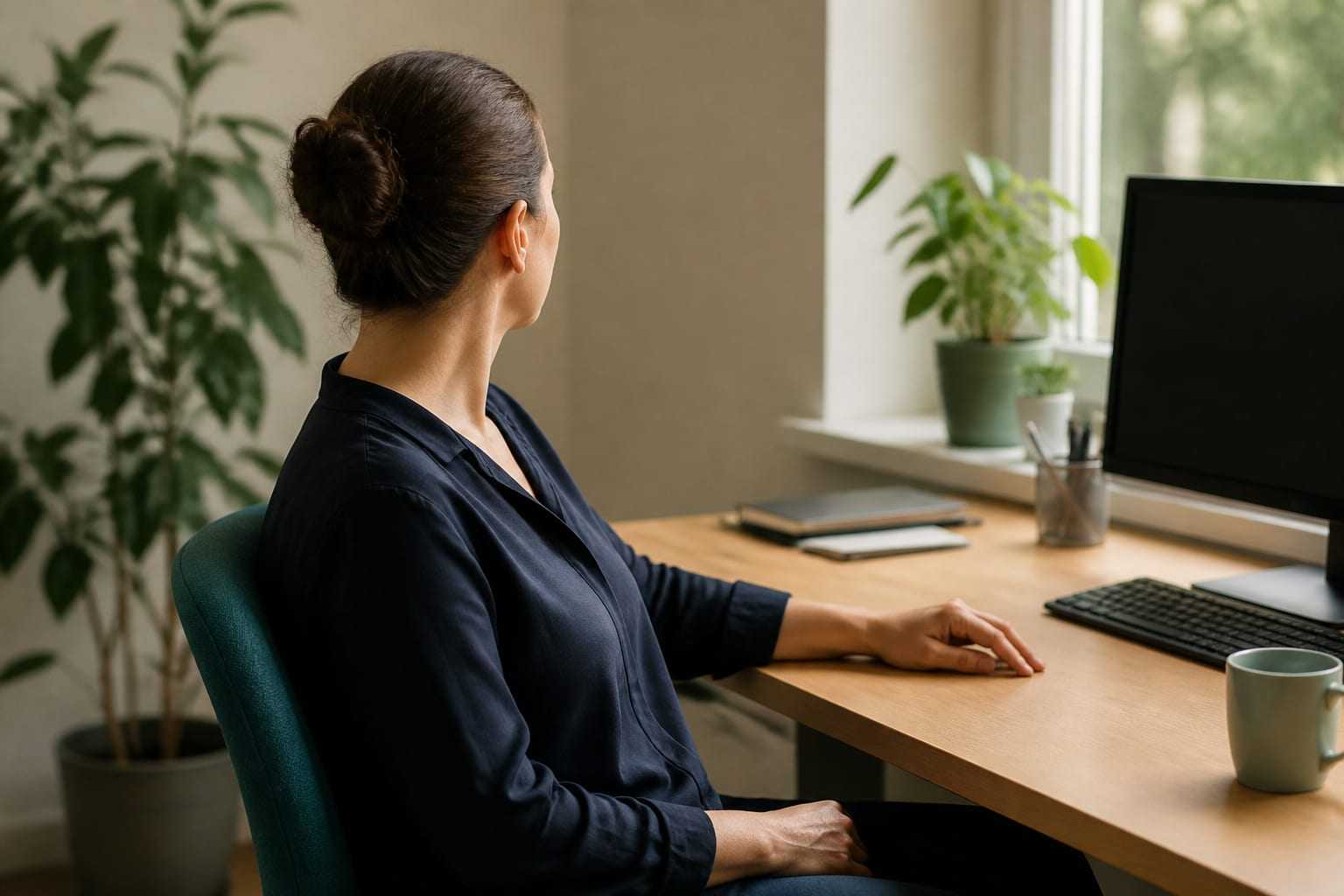
Neck pain in desk work: time in a fixed position, screen height, laptop and phone use, break behaviour and practical adjustments.