
Individual
Individual health
Assessment and a physiotherapy approach for neck, low-back and shoulder health, exercise and body awareness.
- Musculoskeletal health
- Assessment process
- Movement and exercise
- Everyday adjustments
A scientific approach. Individual health. Corporate ergonomics.
Musculoskeletal health, ergonomics and employee health are addressed through individual assessment, corporate consulting and academic research. This site first offers information that helps you understand the topic, then the scientific work behind that information.
The site is built to meet three distinct needs at the same time.
Assessment and a physiotherapy approach for neck, low-back and shoulder health, exercise and body awareness.
A consultancy model that assesses how the workplace, the person and the task fit together, and includes training, follow-up and reporting.
Publications, research areas and academic profiles. Records are tied to verifiable sources.
The musculoskeletal system is not harmed by movement; it is strained by inactivity and uniform loading. The two frames below show two different days of the same person.
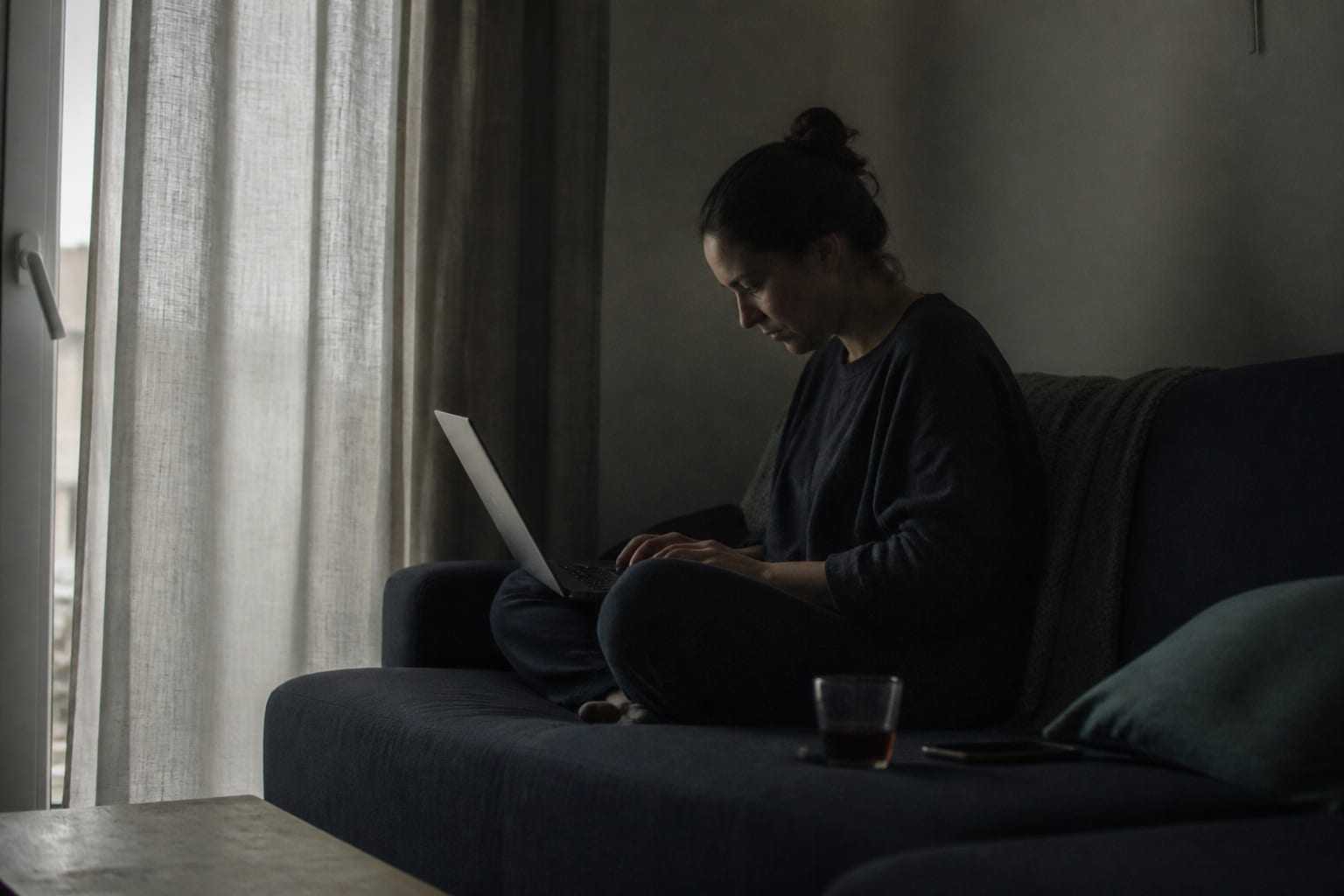
A day with less movement
Long hours in the same position reduce the variety of movement during the day. A complaint often appears not that day, but after load has accumulated.

A day with greater movement variety
Walking, changing position and short active breaks can fit into the same day. The aim is not to avoid load, but to spread it across the day.
The images are illustrative. They are not a before–after treatment comparison and carry no result promise.
Individual areas of work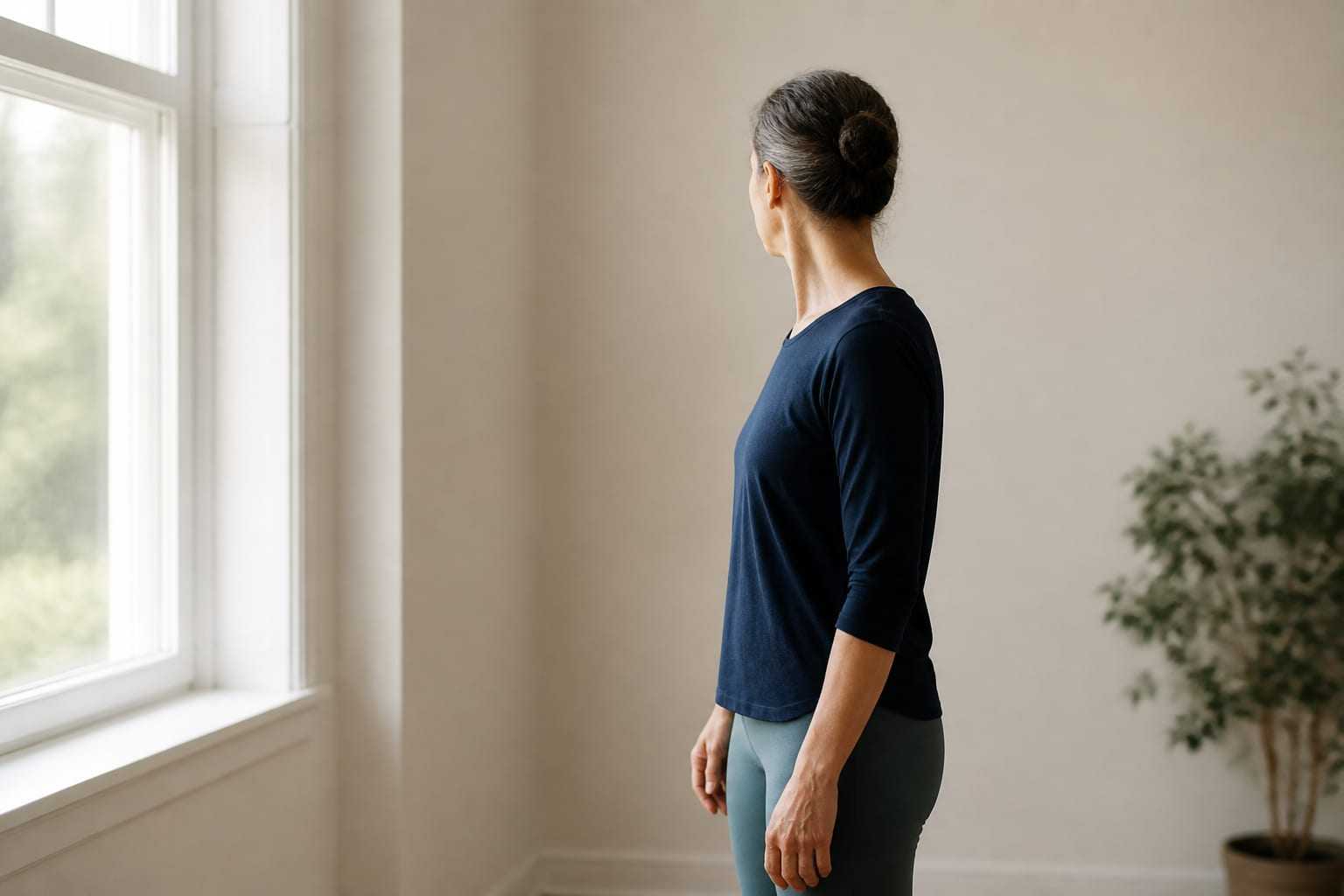
The role of load, movement variety and work setup in the neck and spine.

Load, sitting setup and a graded movement approach in the low back and mid-back.

Repetitive load, movement control and work setup in the shoulder girdle and arm.

Physical activity level, exercise planning and the logic of graded loading.
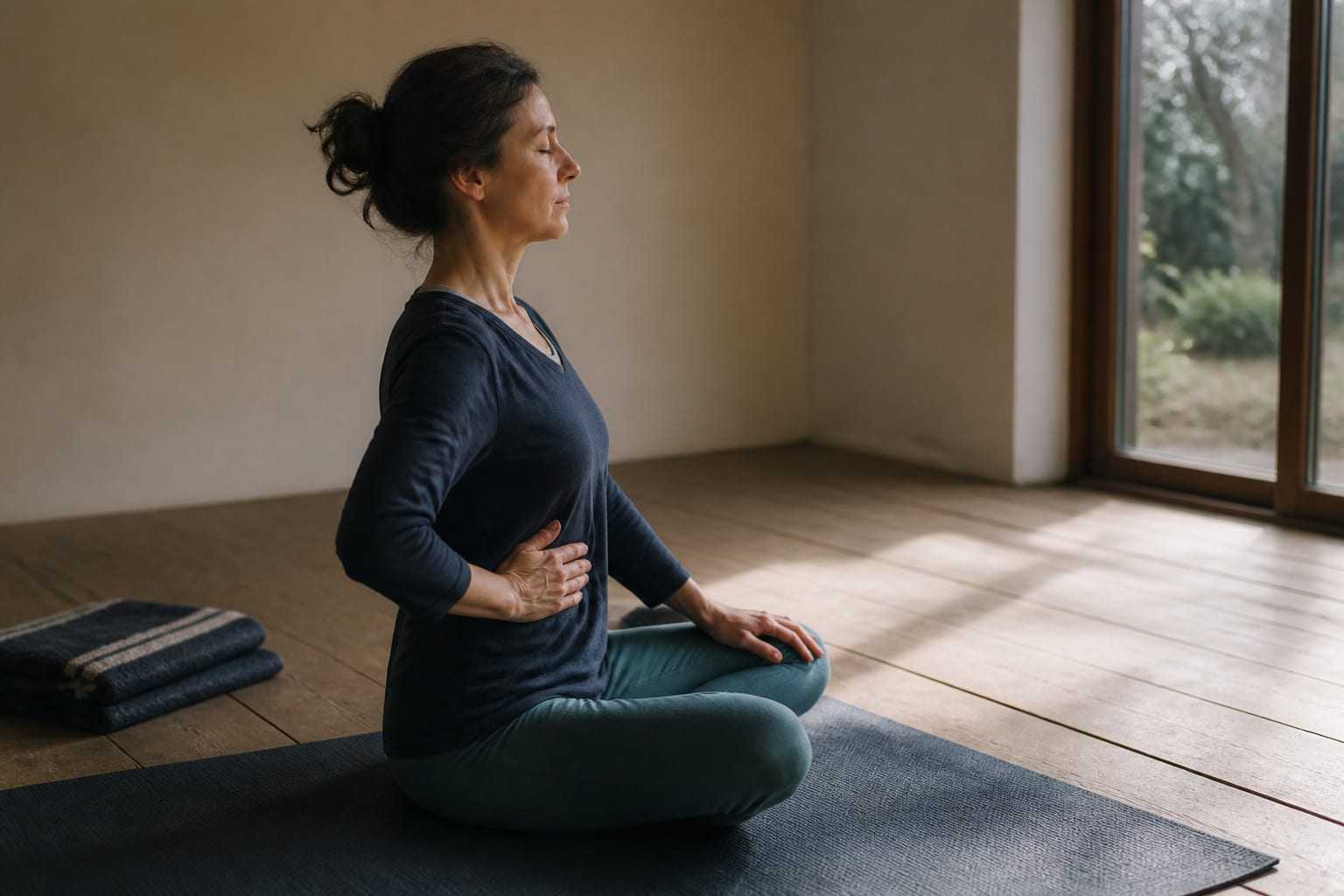
Movement quality, body perception and noticing load during the day.
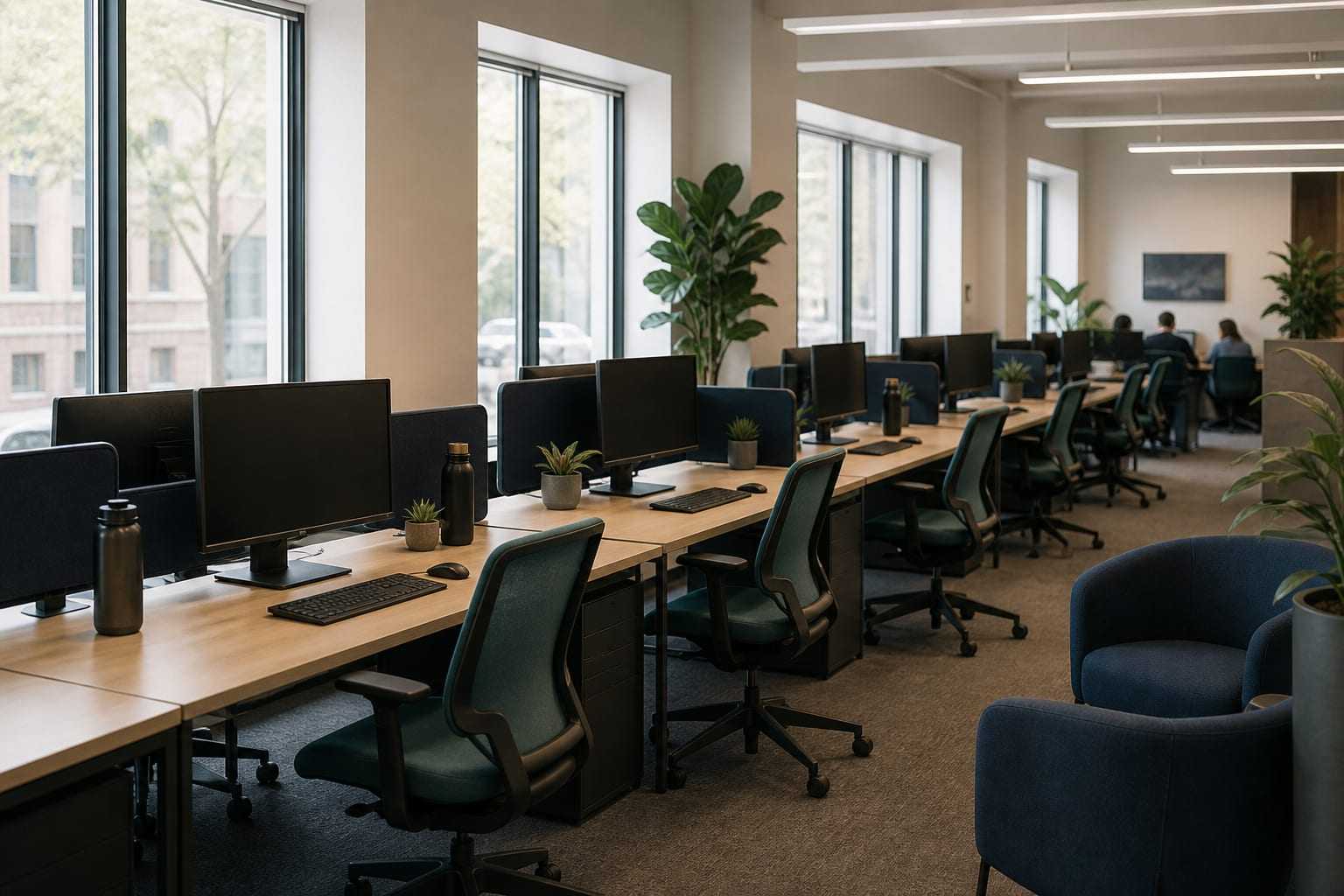
How the workplace fits the person and the task — considered on both the individual and the organisational side.
Corporate work is not a one-off training session. It begins with observing the work environment, understanding the workflow and assessing how physical load is distributed within that flow; it continues with adjustment, training, follow-up and reporting.
In corporate ergonomics, what changes is often not the furniture but the layout of the existing equipment. Both frames show the same desk, the same chair and the same employee.

Unadjusted setup
Because the laptop sits directly on the desk, the screen stays below eye level; the head leans forward, the back leaves the backrest and the arms work without support.

Adjusted setup
A screen riser brings the display to eye level, the keyboard and mouse are separate, the forearms rest on the desk, the back sits against the backrest and the feet rest on the floor.
The images are illustrative; they do not show a specific organisation’s work environment.
Workstation analysis
Physiotherapy · Musculoskeletal Health · Ergonomics and Employee Health
This site was prepared to present the professional perspective, areas of work and academic output of Physiotherapist Dr. Çağlayan Pınar Öztürk together. The shared starting point of the content here is that physiotherapy is not an instruction list telling a person what they must do, but an information and assessment process that helps them make better decisions about their own body and daily loads.
Evidence-based thinking sits at the centre of the professional approach. That does not mean every question has a ready answer in the literature; it means current scientific knowledge, the person’s own history and clinical reasoning are considered together. Stating clearly what is unknown, alongside what is known, is an integral part of this approach.
About
Academic work clarifies which question clinical and corporate practice is answering. For that reason, health-guide content is linked to verified publications on the same topic.
Recommendations are formed by considering current scientific knowledge, professional consensus and the person’s own history together. Where the evidence on a topic is limited, this is stated clearly; areas that do not carry a claim of certainty are conveyed as they are.
A person-specific picture is taken as the basis, rather than ready-made protocols. Because the same complaint can be related to different factors in different people, the process begins each time with a detailed assessment.
The measure of success is not an abstract improvement, but whether the person can do the things they want to do. Goals are defined through concrete areas such as the working day, sport, home life and movement habits.
26 verified records between 2023 and 2026, across 19 journals and meetings.
11
2023
7
2024
5
2025
3
2026
A record can carry more than one topic, so the counts add up to more than the number of records.
Dreaming
International Journal of Occupational Safety and Ergonomics
Ergonomi
Evidence-based content on desk-based work, musculoskeletal health and ergonomics.
Factors that contribute to neck pain, what a physiotherapy assessment covers, and practical self-management principles for daily life.
Office ergonomics is not a search for one correct posture. We explain, step by step, how to fit the worker, the work and the workstation together.
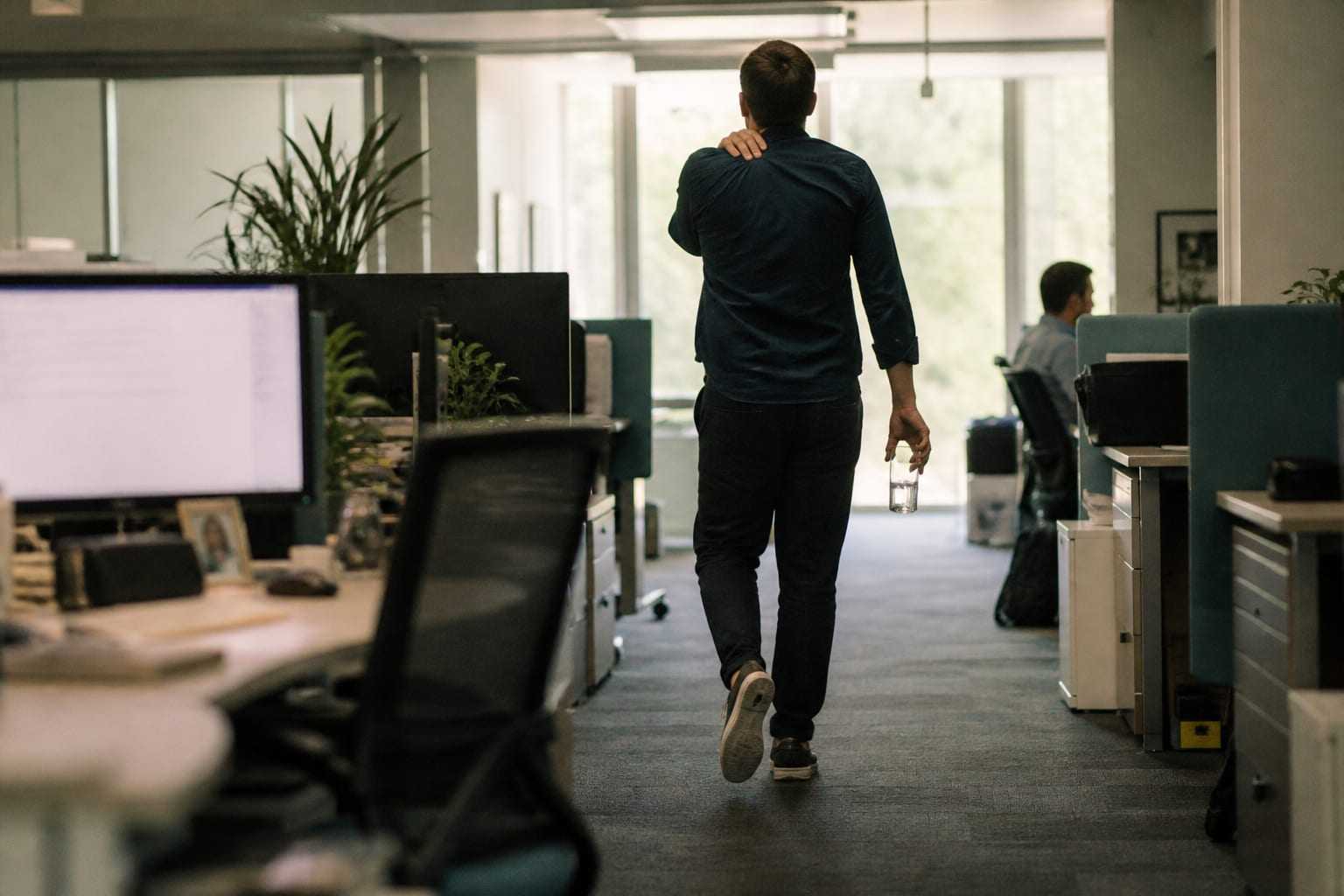
An active break is a short interval that changes position and movement. We explain how it differs from a passive break, how often to take one, and what to do in 1–3 minutes.
For questions about musculoskeletal health, exercise and body awareness, or about the assessment process.
Individual contactFor ergonomics consultancy, workstation analysis, ergonomic risk assessment and employee training.
Workplace enquiries