
Neck Pain: Causes, Physiotherapy Assessment and Self-Management
Neck pain is often not tied to a single cause; loading, time spent in a position, activity level, sleep and workload play a role together.
Evidence-based, plain and practical information on desk-based work, musculoskeletal health and ergonomics.
Two core topics desk-based workers look up most often.
Neck pain is often not tied to a single cause; loading, time spent in a position, activity level, sleep and workload play a role together.
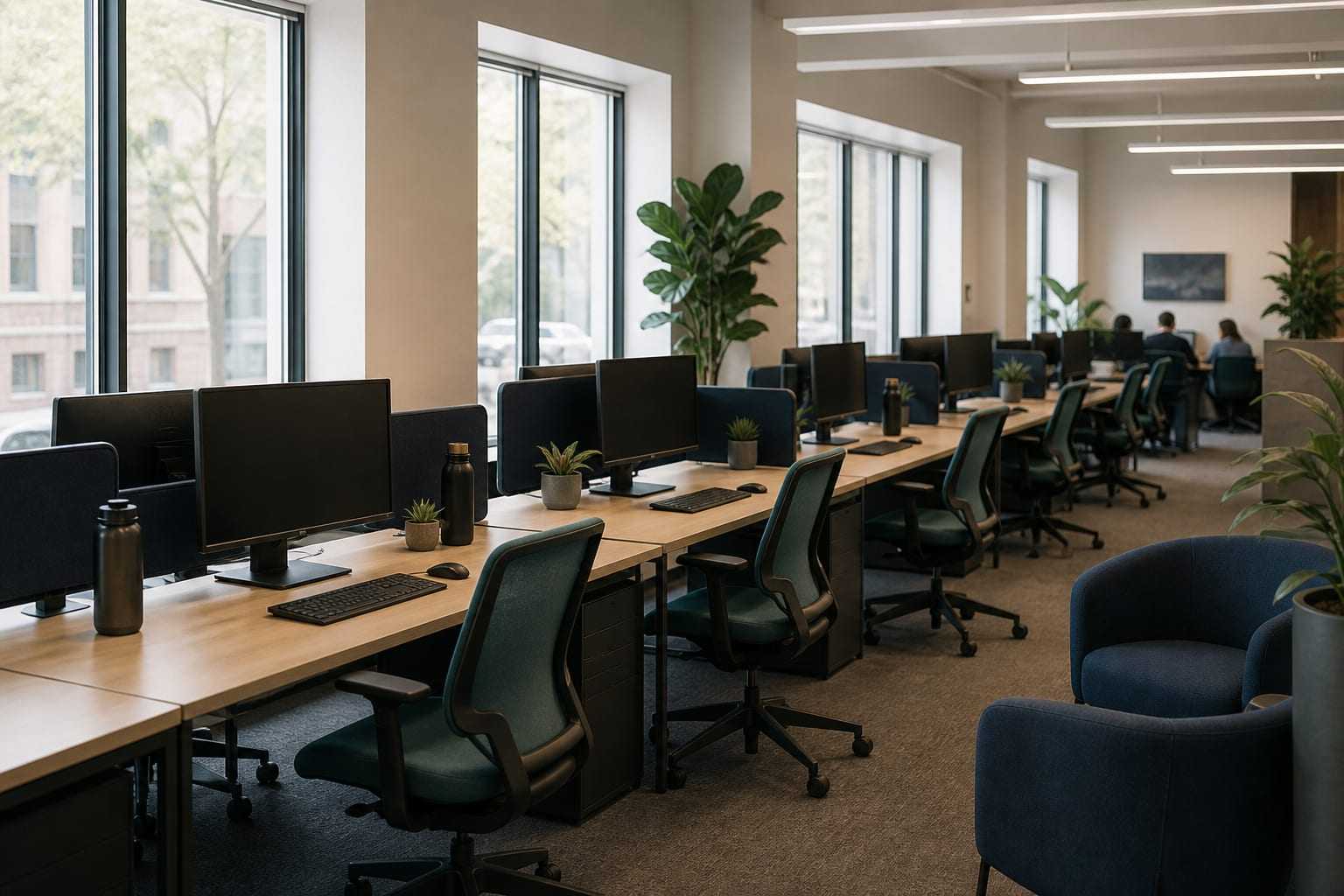
Office ergonomics is not a search for one “correct posture”; it is arranging the fit between the worker, the work and the workstation.
Articles under Ergonomics.
Office ergonomics is not a search for one correct posture. We explain, step by step, how to fit the worker, the work and the workstation together.
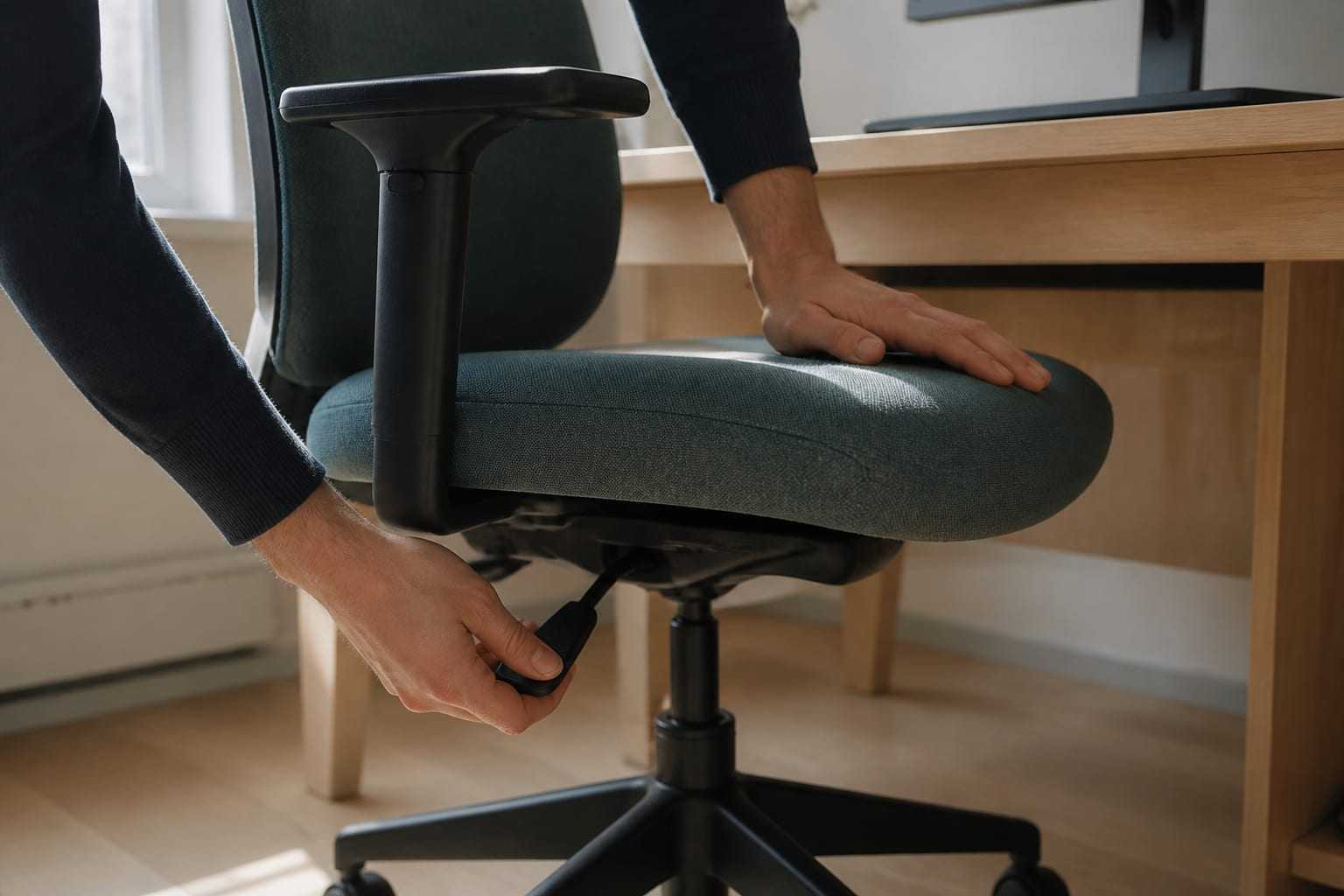
In what order should you adjust an office chair and desk? We walk through height, seat depth, lumbar support and armrest settings step by step.

Computer screen height, distance and tilt directly affect neck load. How do you set the screen for glare, dual monitors and text size?
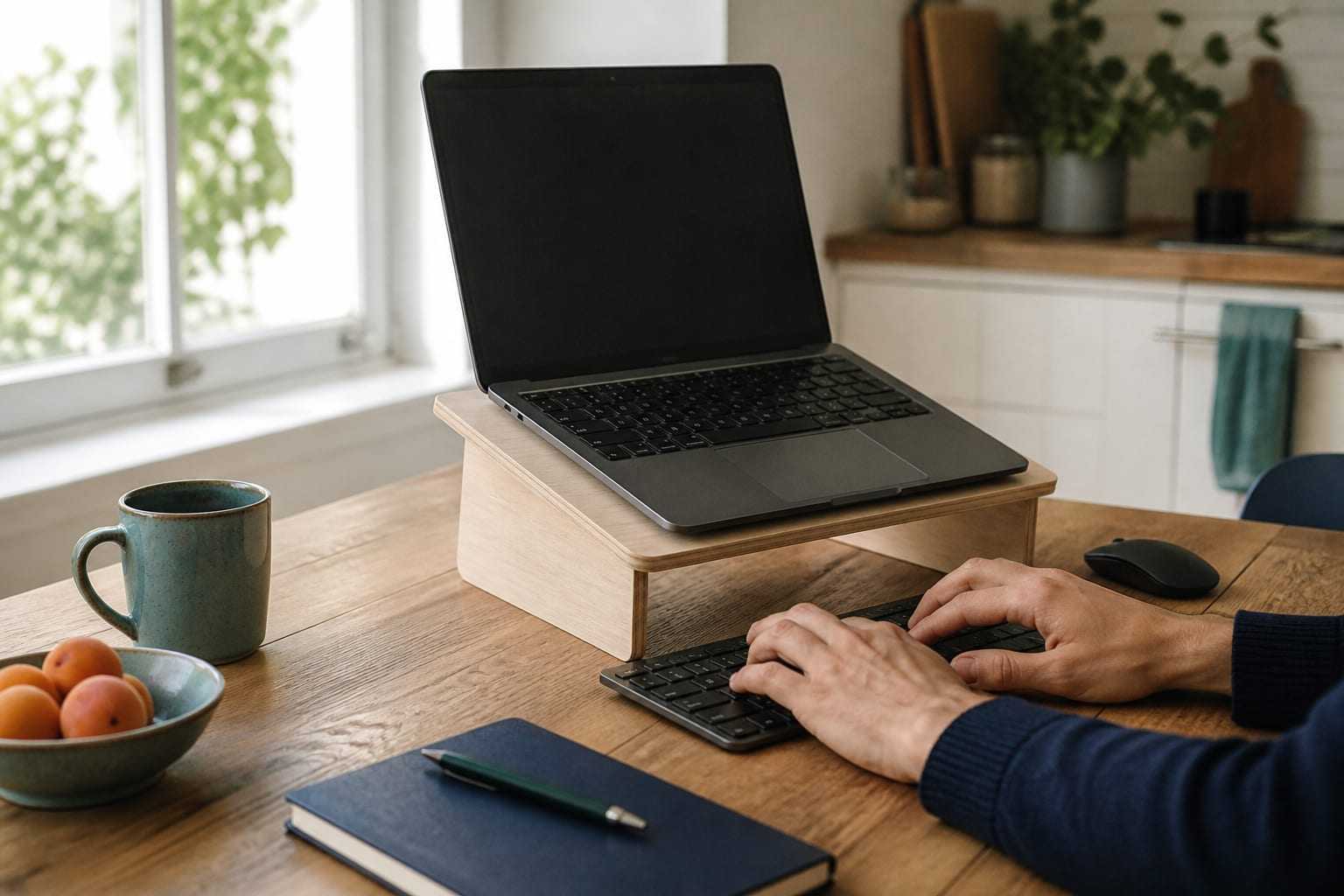
On a laptop, the screen and keyboard are fixed together. How do you resolve that compromise with a riser, external keyboard and mouse? Practical options for hybrid work.

An active break is a short interval that changes position and movement. We explain how it differs from a passive break, how often to take one, and what to do in 1–3 minutes.
Articles under Neck and spine.
Factors that contribute to neck pain, what a physiotherapy assessment covers, and practical self-management principles for daily life.

Neck pain in desk work: time in a fixed position, screen height, laptop and phone use, break behaviour and practical adjustments.
Articles under Low back.

How common low back pain is, what non-specific low back pain means, what a physiotherapy assessment covers, and the principles of staying active and managing load.

How prolonged sitting affects the low back: sitting time and posture, variety of positions, chair and desk support, standing work and active breaks.
Articles under Shoulder and upper limb.
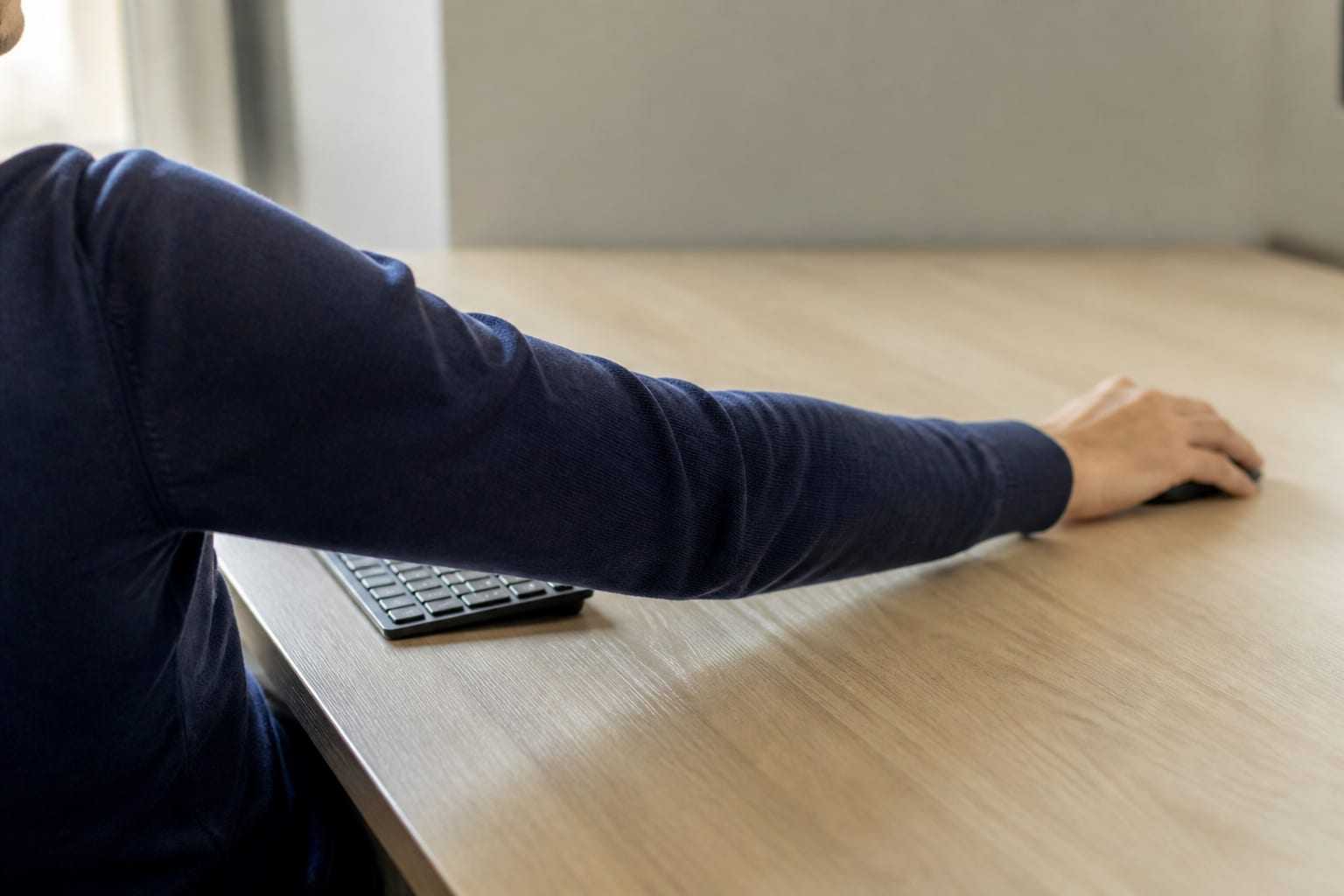
In desk workers, shoulder symptoms are often linked to sustained low-level loading. We explain the role of mouse reach, armrests and movement variety.
Articles under Physical activity.

What sedentary behaviour is, why total sitting time matters independently of posture, and how you can realistically build movement into the working day.
Guide articles offer general information. What is appropriate for you is decided after an in-person assessment.